PRODUCT REVIEWS
Troy Iron Sights Review (Are They Worth It in 2026?)
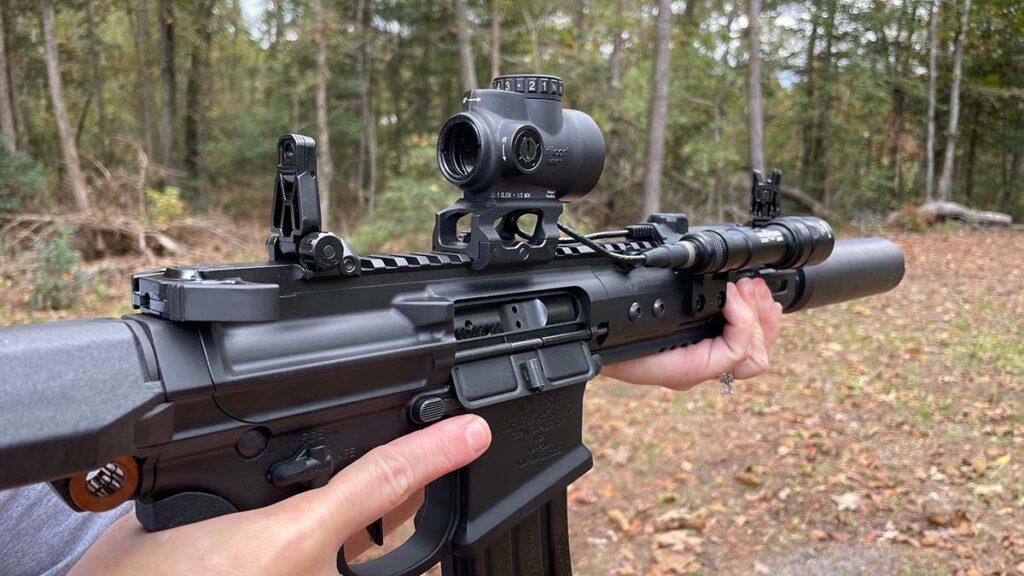
In 2026, Troy Industries BattleSights remain a “gold standard” in the iron sight market. Whether they are “worth it” for your specific build depends entirely on whether you prioritize absolute, “bombproof” durability over weight and price.
Here is the breakdown of why they continue to hold their ground in a market flooded with modern alternatives.
The Verdict: Are They Worth It?
Yes, if: You are building a serious duty rifle, a “fighting” carbine, or a project where you want a “buy once, cry once” piece of equipment that is battle-proven.
No, if: You are building a lightweight competition rifle, a budget-conscious range gun, or a minimalist setup where ounces matter. In those cases, polymer options like the Magpul MBUS 3 or steel options like the Magpul MBUS Pro may serve you better for less money.
Why People Still Choose Troy (The Pros)
-
The “HK-Style” Sight Picture: Many shooters prefer the Troy “di-optic” or HK-style circular hooded front sight. It allows for faster target acquisition because the human eye naturally centers the front post inside the circle—essentially “framing” the target.
-
Construction Quality: Unlike polymer sights, Troy BattleSights are machined from military-grade aluminum or stainless steel. They are incredibly rigid; when you flip them up, they lock with a distinctive, audible “click” that feels more solid than almost anything else on the market.
-
Proven Reliability: These sights have been used by military and law enforcement agencies for decades. If you are looking for equipment that will withstand being dropped on concrete, banged against doorframes, or subjected to extreme heat without warping, Troy is a top-tier choice.
The Competition (Why you might skip them)
To decide if they are “worth it,” you have to look at what else is on the bench in 2026:
Critical Considerations for 2026
-
Price vs. Value: Troy sights occupy a premium price bracket. If you are not shooting in conditions where you need metal sights (e.g., extreme temperatures or high-impact environments), you are paying a premium for durability that you may never actually utilize.
-
Weight: They are heavier than modern polymer backups. On a precision or “recce” build, that extra weight adds up.
-
Adjustment Tools: While they are rugged, many Troy models require an adjustment tool (or a specialized punch) for the front sight post. Modern competitors (like the Magpul Pro) often allow for tool-less windage and elevation adjustments, which is a major quality-of-life upgrade at the range.
Final Recommendation
If you are building a duty-grade or long-term “heirloom” rifle, the Troy BattleSights are a fantastic investment. Their “set and forget” reliability is legendary for a reason.
However, if you are a modern shooter running a primary red dot or LPVO, you might find that the Magpul MBUS Pro offers a more user-friendly, lower-profile experience for a similar price point.
Bottom line: You won’t regret buying Troy for the quality, but you should only pay the premium if you plan to push your rifle hard enough to need that extra level of ruggedness.
