PRODUCT REVIEWS
Troy Fixed Iron Sights: Are They Still Worth It?
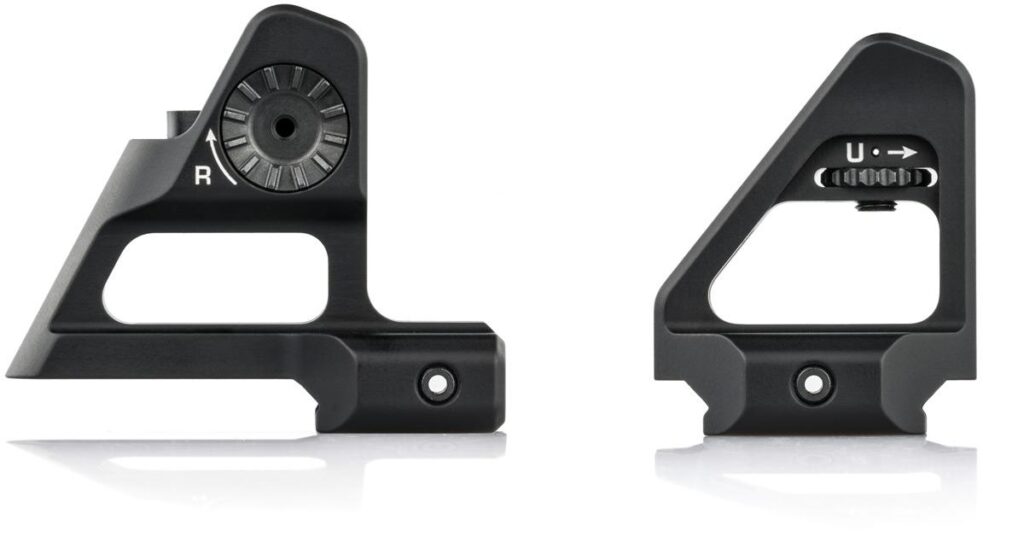
In 2026, the market for iron sights is dominated by “folding” designs. However, Troy Fixed BattleSights remain one of the few high-end options for shooters who subscribe to the “always-on” philosophy.
While most users prefer the convenience of flip-up sights, fixed irons occupy a specific niche where they are not just “worth it”—they are superior.
The “Fixed” Advantage: Why Stay Stationary?
The primary reason Troy Fixed Sights are still relevant is reliability through simplicity.
-
Zero Failure Points: Flip-up sights rely on springs, detents, and hinges. These can fail, gum up with debris, or break under extreme impact. A fixed sight is a solid piece of machined aluminum that stays exactly where you put it.
-
Instant Acquisition: There is no “deployment time.” If your red dot battery dies or the electronics fail in a high-stress moment, you don’t have to fumble for a button. Your sights are already there.
-
True Co-Witness: For shooters who use a “Lower 1/3” or “Absolute” co-witness, fixed sights provide a constant reference point that can actually help your eye find the red dot faster during rapid mounting of the rifle.
Troy vs. Daniel Defense (The Rivalry)
In the world of fixed sights, Troy’s biggest competitor is the Daniel Defense A1.5. Here is how they compare in 2026:
| Feature | Troy Fixed BattleSight | Daniel Defense A1.5 |
| Material | Hardened Aluminum / Stainless Steel | 6061-T6 Aluminum |
| Front Style | HK-Style “Globe” or M4 Winged | M4-Style Winged Only |
| Mounting | Recessed Flathead Crossbolt | “Rock & Lock” Side Clamp |
| Footprint | Extremely Streamlined | Slightly wider clamp design |
The Troy Edge: Troy’s mounting system is more snag-free. It uses a recessed bolt that doesn’t have a protruding nut on the side of the rail, making it less likely to catch on your gear or slings.
Are They Worth It for You?
Yes, buy them if:
-
You run a “minimalist” build: If you aren’t using a red dot at all, fixed irons are the only way to go. They are more durable and provide a more consistent cheek weld than folding sights.
-
You use a “Bombproof” Red Dot: If you have a professional-grade optic (like an Aimpoint or Trijicon), running a fixed front sight is a common setup. It provides a constant reference point without cluttering the entire window.
-
You value the HK Sight Picture: Troy is one of the few manufacturers offering a fixed HK-style hooded front. This circular geometry is highly favored for tactical speed.
No, skip them if:
-
You use a Magnified Optic: If you have an LPVO (1-6x or 1-8x scope), fixed sights will create a massive blur in your lower field of view at 1x and can be distracting at higher magnifications.
-
You have limited rail space: If you are running a laser (PEQ-15/NGAL) and a light, fixed sights occupy permanent “real estate” that might be better used for your switches or accessories.
The “Snag Factor”
One of the best design features of the Troy Fixed series is the serrated ramp on the rear of the sight towers. In 2026, this remains a standout feature because it effectively eliminates glare from the sun, ensuring that your sight picture remains crisp even in harsh overhead lighting—a detail often overlooked by cheaper “budget” fixed sights.
Bottom Line: If your mission profile involves high-impact environments where gear failure isn’t an option, Troy Fixed Sights are a top-tier investment that outlasts almost any electronic alternative.
